
Reminder on Watering Fines and Gross Reservoir Expansion Update

Posted October 6, 2026
The district would like to remind all customers that lawn watering season has ended and penalty fines are in effect.
Denver Water’s Operating Rules (chapters 14 and 15) and the Denver Board of Water Commissioners’ Stage 1 Drought Declaration allow Denver Water to assess charges for watering violations of any lawn watering and all spray irrigation.
Beginning Oct. 1, enforcement actions based on customer type are:
Single-family
First Violation - $500 charge
Second Violation - $1,000 charge
$1,000 charge and suspension of service
Multifamily (up to 10 units)
First Violation - $1,000 charge
Second Violation - $2,000 charge
$2,000 charge and suspension of service
Commercial, industrial and municipal; multifamily with more than 10 units
First Violation - $1,000 charge
Second Violation - $2,000 charge
$2,000 charge and suspension of service
Irrigation-only
$2,000 charge and suspension of service
Continued violations may result in additional enforcement actions, including suspension of water service.
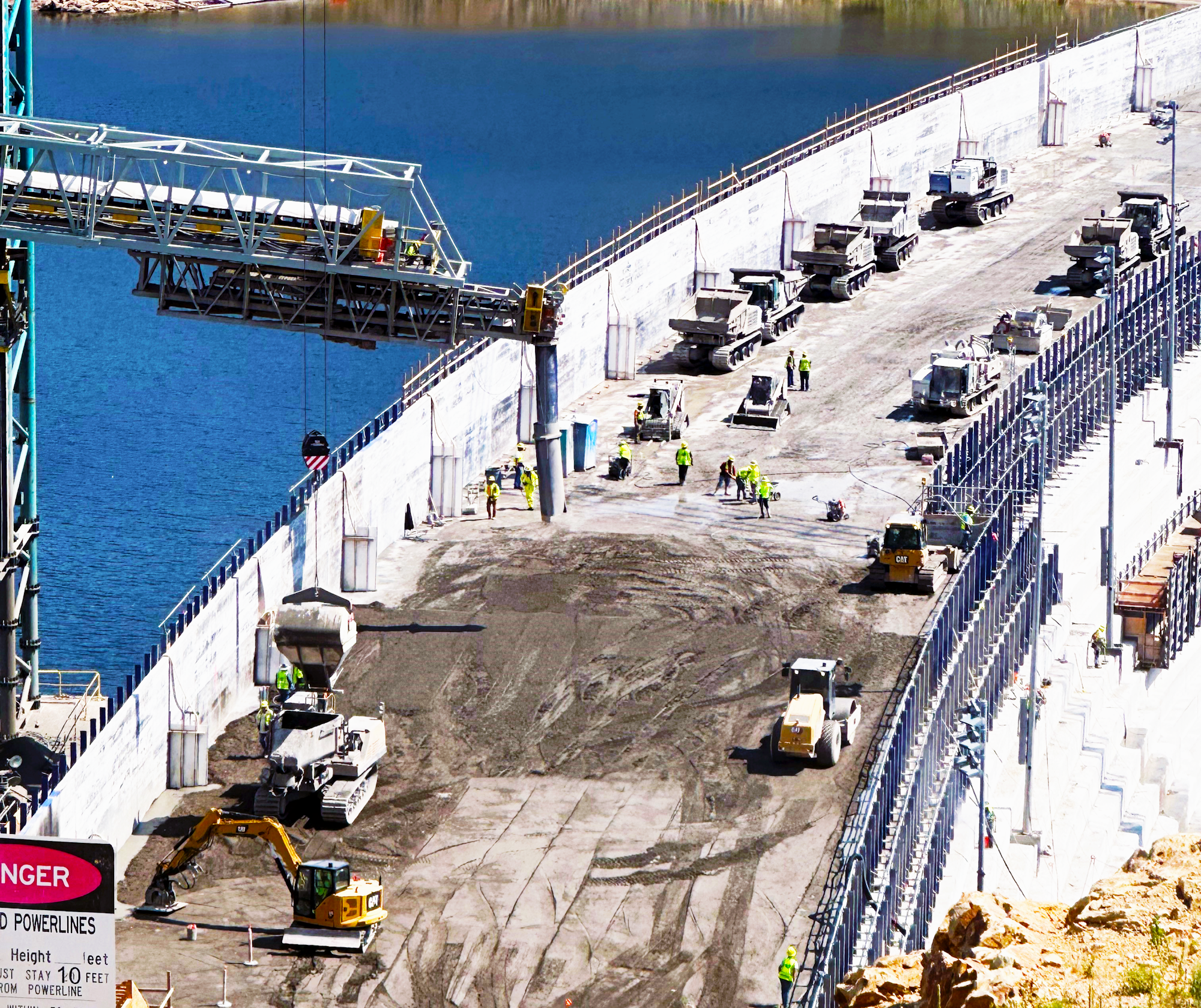
Gross Reservoir Expansion Project Update
While current conservation efforts are important, Denver Water is also working on long-term solutions to strengthen water supplies. On Sept. 15, the 10th Circuit Court of Appeals cleared the way for the Gross Reservoir Expansion Project to move forward following a ruling that a key federal permit was issued lawfully.
The project will nearly triple Gross Reservoir’s capacity from 42,000 to approximately 120,000 acre-feet, increasing Denver Water’s overall storage by about 11%. The additional capacity will provide greater flexibility to manage water supplies during future droughts and extreme weather.
The expanded reservoir will not provide immediate drought relief. Filling could begin as early as 2028, depending on snowpack and water availability. Construction is expected to continue through 2027, with additional site work into 2028. Denver Water is also investing approximately $30 million in more than 60 environmental projects to help protect and restore streams, wildlife habitat and other natural resources.
Together, conservation today and investments in additional storage will help strengthen the region’s water supply for years to come.